• Skip to main content
  • Skip to primary sidebar
  • Skip to footer
Impact Chiropractic logo
  • NEW PATIENTS
    • ONLINE FORMS
    • YOUR FIRST VISIT
    • PHASE 1: RELIEF CARE
    • PHASE 2: CORRECTIVE CARE
    • PHASE 3: WELLNESS CARE
    • FAQS
    • PAYMENT OPTIONS
    • HEALTH RESOURCES
  • LOCATIONS
    • FORT COLLINS, CO
    • LOVELAND, CO
    • CHERRY HILLS VILLAGE, CO
    • GOLDEN, CO
  • SERVICES
    • CHIROPRACTIC
      • PEDIATRIC CARE
      • PRENATAL CARE
      • AUTO ACCIDENTS
      • SPINAL SCOLIOSIS
      • SPORTS REHABILITATION
    • SOFTWAVE
    • DECOMPRESSION
      • WHAT WE TREAT
      • HOW IT WORKS
      • WHAT IS THE DRX9000
      • RESEARCH
    • CORPORATE WELLNESS PROGRAMS
  • ABOUT
    • TESTIMONIALS
    • COMMUNITY PERKS PROGRAM
Book Now
Impact Chiropractic logo
Book Now
  • NEW PATIENTS
    • ONLINE FORMS
    • YOUR FIRST VISIT
    • PHASE 1: RELIEF CARE
    • PHASE 2: CORRECTIVE CARE
    • PHASE 3: WELLNESS CARE
    • FAQS
    • PAYMENT OPTIONS
    • HEALTH RESOURCES
  • LOCATIONS
    • FORT COLLINS, CO
    • LOVELAND, CO
    • CHERRY HILLS VILLAGE, CO
    • GOLDEN, CO
  • SERVICES
    • CHIROPRACTIC
      • PEDIATRIC CARE
      • PRENATAL CARE
      • AUTO ACCIDENTS
      • SPINAL SCOLIOSIS
      • SPORTS REHABILITATION
    • SOFTWAVE
    • DECOMPRESSION
      • WHAT WE TREAT
      • HOW IT WORKS
      • WHAT IS THE DRX9000
      • RESEARCH
    • CORPORATE WELLNESS PROGRAMS
  • ABOUT
    • TESTIMONIALS
    • COMMUNITY PERKS PROGRAM

what to expect at the chiropractor

Can Chiropractors Write Prescriptions?

September 6, 2024 by Dr. Elise Rigney

Can chiropractors write prescriptions for medications? They generally cannot. However, it is important to note that in some states, they can write prescriptions for limited medications. Their treatment focuses on non-invasive techniques, and this article explores these exceptions and the alternative treatments chiropractors provide.

Key Takeaways

  • Chiropractors primarily focus on non-invasive, drug-free treatments and are generally prohibited from prescribing medications, with limited exceptions in specific states.
  • In regions where chiropractors can prescribe, their authority is usually restricted to medications related to musculoskeletal issues.
  • Chiropractors often collaborate with medical doctors to provide integrated care. This ensures comprehensive treatment for patients with chronic pain and musculoskeletal disorders.

Understanding Chiropractic Care and Prescription Authority

a chiropractor giving a back adjustment to a patient

Chiropractic care is a drug-free and non-invasive approach that emphasizes natural healing techniques to restore proper function to the nervous system and the body as a whole. Chiropractic care aims to reduce and eliminate pain without medications, utilizing manual therapies and lifestyle recommendations.

Chiropractors often collaborate with medical doctors to improve patient care by addressing structural and functional health issues.

Despite their comprehensive care capabilities, chiropractors face significant limitations when it comes to prescribing medications. These restrictions are governed by state and federal laws, which vary across different regions. Knowing these legal boundaries helps anyone considering chiropractic care as an alternative or complement to traditional medical treatments.

The Philosophy Behind Chiropractic Care

Chiropractors take a holistic approach to patient care, considering the entire body and its interconnected systems. They aim to find the underlying cause of pain and promote pain-free movement. At the core of chiropractic care is the belief that the body functions best with correct spine alignment. Chiropractors focus on removing obstacles like joint misalignments and nervous system interference to aid the body’s natural healing processes.

Non-pharmacological treatments are a hallmark of chiropractic care. Techniques such as spinal adjustments, soft tissue therapy, and exercise are commonly used to facilitate healing. Medications are often viewed as short-term solutions rather than long-term healing methods. Instead, chiropractors emphasize treating pain at its source and supporting recovery through lifestyle modifications and physical therapy.

Legal Restrictions on Chiropractors Prescribing Medications

Chiropractors are generally restricted from prescribing medications due to state and federal regulations. These legal constraints are in place because chiropractors are not trained or licensed to prescribe medications like antibiotics. In most states, chiropractors cannot prescribe medications at all, staying true to their drug-free, holistic approach to care.

However, there are exceptions. For instance, in South Carolina, chiropractors have the authority to prescribe specific medications such as antibiotics and chiropractors prescribe pain medication. California has allowed chiropractors to write prescriptions since 2002, but these cases are rare and highly regulated.

Reviewing the laws and regulations in your area will help you understand what a chiropractor can and cannot do regarding prescription medications.

Can Chiropractors Write Prescriptions for Medications?

The ability of chiropractors write prescriptions is primarily determined by state or regional laws. This means that chiropractors cannot prescribe medications in most cases. The general philosophy of chiropractic care aims to keep patients off addictive pain medications. Instead, chiropractors focus on non-invasive treatments that align with their holistic approach.

Chiropractors cannot prescribe antibiotics, muscle relaxants, or other common prescription drugs. But there are specific situations and regions where they do have limited prescriptive authority. Knowing these nuances is important for anyone considering chiropractic care. This is especially true if dealing with chronic pain or other health issues that might typically require medication.

States Allowing Limited Prescription Authority

In some states, chiropractors have the authority to prescribe certain medications, but this is not universally applicable. For example, New Mexico allows chiropractors to prescribe medications, giving them broader capabilities compared to other states. Similarly, in South Carolina, chiropractors can prescribe specific medications like antibiotics and painkillers. However, these permissions come with strict regulations and limitations.

Patients should check local regulations to understand the specific prescribing capabilities of chiropractors in their area. Chiropractors do not have the same prescription authority in all states. Understanding these local laws can help patients make informed decisions about their care options.

Types of Medications Chiropractors Might Prescribe

a woman holding some medications or vitamins

In states where chiropractors have limited prescriptive authority, the types of medications they can prescribe medication are usually specific to their practice. For instance, chiropractors in California can prescribe over 60 different medications for bone and muscle-related issues. These might include anti-inflammatory drugs, pain medication, and muscle relaxants that help manage pain and inflammation related to musculoskeletal problems.

In New Mexico, chiropractors have similar authority to prescribe medications related to chiropractic practice. The level of prescriptive authority varies depending on the state, but it is generally limited to minor medications that align with the holistic and non-invasive principles of chiropractic care.

Alternative Pain Management Techniques in Chiropractic Care

Chiropractors support the body’s natural healing processes without medications or surgical interventions, focusing on non-invasive treatments. Techniques such as spinal adjustments, massage therapy, and acupuncture are central to chiropractic care, helping patients manage pain and improve function.

These alternative methods are effective in treating various conditions, from back pain to chronic pain and musculoskeletal disorders.

Spinal Adjustments and Manipulations

Spinal adjustments are a cornerstone of chiropractic care, aiming to correct misalignment and keep the body functioning at its highest level. Chiropractors commonly use high-velocity, low-amplitude thrusts during spinal manipulation to perform adjustments, which can alleviate various conditions, including back pain and headaches. These manual adjustments are typically not painful, although patients may experience a popping or cracking sensation.

The effectiveness of spinal manipulations in managing chronic pain is well-documented. By restoring proper alignment, chiropractic adjustments can significantly improve overall health and reduce pain without the need for medications. This approach aligns with the holistic philosophy of chiropractic care, emphasizing natural healing and the body’s inherent ability to recover when properly aligned.

Massage Therapy

Massage therapy is a complementary treatment to chiropractic care. It offers various benefits including stress reduction and pain relief. Massage therapy decreases muscle tension, increases blood flow, and contributes to overall pain management by manipulating soft tissues. This technique is particularly effective in addressing musculoskeletal disorders and supporting the body’s natural healing processes.

Incorporating massage therapy into chiropractic treatment plans can significantly add to the effectiveness of other therapeutic techniques, such as spinal adjustments. This holistic approach ensures that patients receive comprehensive care that addresses both the symptoms and underlying causes of their pain and discomfort.

Acupuncture

Acupuncture involves the insertion of thin needles at specific points on the body to promote healing. In chiropractic care, acupuncture is used to stimulate healing, reduce neck pain, and promote relaxation by releasing endorphins. This technique can effectively treat various conditions, including headaches and low back pain, making it a valuable addition to chiropractic treatment plans.

Collaborative Care Between Chiropractors and Medical Doctors

Chiropractors often collaborate with medical doctors to ensure comprehensive, well-rounded care for patients. While chiropractors focus on diagnosing musculoskeletal issues and providing manual therapies, medical doctors are responsible for prescribing medications and diagnosing a broader range of illnesses.

Chiropractors add to patient care in collaborative settings by providing both primary and secondary musculoskeletal diagnoses. This integrated approach ensures that patients receive the most appropriate and effective treatments for their conditions, combining the strengths of both chiropractic and medical care.

When Chiropractors Refer Patients to Medical Doctors

Chiropractors often refer patients to physicians when conditions exceed their treatment capabilities or when medication is essential. For example, if a patient requires surgical intervention or specialist care, a chiropractor will typically refer them to a medical doctor. This makes sure that patients receive comprehensive care that addresses all aspects of their health.

Recognizing the limits of their practice and referring patients when necessary, chiropractors play a vital role in the broader healthcare system. This collaborative approach makes sure that patients receive the most appropriate and effective treatments for their conditions.

Benefits of Integrated Care

Patients receiving a mix of chiropractic and medical care often report improved management of chronic pain. Integrated care offers a holistic approach, addressing both the structural and functional aspects of health. Chiropractic care can support children’s development and alleviate discomfort during pregnancy. This comprehensive approach ensures patients receive well-rounded care. It addresses all their health needs.

Chiropractic care can also support pelvic alignment during pregnancy, potentially improving labor outcomes. Chiropractors help maintain overall wellness and address specific pregnancy-related discomforts by providing safe exercises and stretches tailored for pregnant women.

a chiropractor talking with a pregnant woman

Massage therapy, another component of integrated care, increases blood flow and decreases muscle tension, contributing to pain management and overall health improvement.

Conditions Treated by Chiropractors Without Prescription Medications

Chiropractors are adept at treating a variety of conditions without the need for prescription medications. Their holistic approach and non-invasive techniques are particularly effective in managing chronic pain and musculoskeletal disorders.

Conditions like arthritis, tendinitis, sciatica, and whiplash can be effectively addressed through chiropractic care. Additionally, chiropractic treatments can alleviate tension headaches and osteoarthritis without resorting to prescription drugs.

Focusing on spinal alignment and the body’s natural healing processes, chiropractors help patients manage pain and improve their overall quality of life. Techniques such as acupuncture are also used to complement chiropractic care, providing effective treatment for conditions like fibromyalgia and osteoarthritis. This drug-free approach ensures that patients receive comprehensive care that addresses the root causes of their pain and discomfort.

Chronic Pain and Musculoskeletal Disorders

Chronic pain and musculoskeletal disorders are common issues treated by chiropractors. Chiropractic care has proven effective for managing chronic low-back pain and fibromyalgia through non-invasive techniques. Using methods like spinal adjustments, massage therapy, and physical therapy, chiropractors can alleviate pain and prevent the progression of certain conditions, potentially avoiding the need for surgery.

Chiropractic treatments are tailored to each patient’s needs, ensuring a personalized approach to pain management. This individualized care helps manage pain, improve function, and overall health without relying on prescription medications. The focus on natural healing and proper spinal alignment is central to chiropractic philosophy, providing a sustainable solution for chronic pain sufferers.

Pediatric and Prenatal Chiropractic Care

Chiropractic care is not just for adults; it also provides significant benefits for children and pregnant women. Pediatric chiropractic care can address various conditions such as:

  • ADD/ADHD
  • asthma
  • colic
  • constipation
  • ear infections
  • sleep problems

Focusing on gentle, non-invasive techniques, chiropractors improve children’s overall health and well-being without prescription medications.

Prenatal chiropractic care is designed to support the unique needs of pregnant women. Techniques specific to the prenatal body are used to address discomforts related to pregnancy, such as back pain and pelvic alignment issues. This care adds to overall health, potentially improving labor outcomes and ensuring a safer, more comfortable pregnancy experience. By providing personalized treatment plans, chiropractors help pregnant women maintain optimal health throughout their pregnancy journey.

Preparing for Your First Chiropractic Visit

Preparing for your first chiropractic visit involves knowing what to expect and how to make the most of your appointment. The initial visit usually lasts 45 minutes to an hour and includes a thorough consultation and examination. Understanding the process and being prepared can help ensure a successful and comfortable experience.

Health History and Initial Assessment

During the first visit, the chiropractor will explain the science behind chiropractic care and conduct a full evaluation to determine if chiropractic care is suitable for you. This involves a discussion of your medical history and a physical exam. Providing a detailed health history is crucial, as it helps the chiropractor understand your overall health and any underlying issues that need to be addressed.

After the initial assessment, the chiropractor will develop a customized treatment plan tailored to your specific needs. This plan may include spinal adjustments, therapeutic exercises, and lifestyle recommendations to support your overall health and well-being.

The initial visit sets the foundation for your chiropractic care journey, ensuring that you receive the most effective and personalized treatment possible.

Summary

In conclusion, while chiropractors generally cannot write prescriptions due to legal restrictions, they offer a wide range of drug-free, non-invasive treatments that effectively manage pain and improve overall health.

Understanding the philosophy behind chiropractic care and the legal landscape helps patients make informed decisions about their care options. Techniques such as spinal adjustments, massage therapy, and acupuncture play a crucial role in managing chronic pain and musculoskeletal disorders without the need for prescription medications.

Collaborative care between chiropractors and medical doctors enhances patient outcomes by combining the strengths of both disciplines. Whether dealing with chronic pain, pediatric conditions, or prenatal discomforts, chiropractic care provides a holistic approach that supports the body’s natural healing processes. By preparing for your first visit and understanding what to expect, you can embark on a path to better health and well-being through chiropractic care.

Frequently Asked Questions

Can chiropractors write prescriptions for medications?

Chiropractors generally cannot write prescriptions for medications due to legal restrictions, though a few states, such as New Mexico and South Carolina, permit limited prescription authority. It’s essential to check the regulations in your specific state.

What types of medications can chiropractors prescribe in states with limited authority?

Chiropractors in states with limited prescribing authority, such as New Mexico and California, can prescribe specific medications like anti-inflammatory drugs and muscle relaxants for bone and muscle-related conditions. This enables them to provide a more comprehensive treatment approach in these states.

What are some alternative pain management techniques used by chiropractors?

Chiropractors employ alternative pain management techniques such as spinal adjustments, massage therapy, and acupuncture to alleviate discomfort and improve function without reliance on medication. These methods can be effective for many individuals seeking non-pharmacological treatment options.

When do chiropractors refer patients to medical doctors?

Chiropractors refer patients to medical doctors when a condition surpasses their treatment capabilities or when medication or surgical intervention is required. This ensures that patients receive the appropriate care for their health needs.

What should I expect during my first chiropractic visit?

You should expect a comprehensive consultation and examination, a review of your medical history, and the formulation of a personalized treatment plan during your first chiropractic visit. This process is essential for addressing your specific needs effectively.


Filed Under: HEALTH & WELLNESS Tagged With: chiropractor in fort collins, fort collins chiropractor, what to expect at the chiropractor

How Often Should You See A Chiropractor?

August 27, 2024 by Dr. Elise Rigney

How often should you see a chiropractor? This depends on your pain severity, health, and lifestyle. This article breaks down visit frequency for conditions like acute and chronic pain, and offers guidance for maintenance care, athletes, pregnant women, and children.

Key Takeaways

  • The frequency of chiropractic visits varies based on individual needs, pain severity, and overall health, with serious conditions requiring more frequent sessions.
  • An initial consultation is crucial for developing a personalized treatment plan, including thorough evaluations and open communication with the chiropractor.
  • Regular maintenance chiropractic care is important for preventing injuries and improving overall health, with recommendations typically ranging from bi-weekly to monthly visits.

Determining Your Chiropractic Needs

Evaluating your chiropractic needs requires considering factors like the type and severity of your pain, overall health, and lifestyle. Chiropractors often assess these elements during an initial consultation to create a personalized treatment plan. Personal health, pain level, and treatment goals significantly influence how often you should visit a chiropractor. For instance, someone with a physically demanding job might require more frequent chiropractic adjustments compared to someone with a sedentary lifestyle.

guy getting back adjustments at chiropractor

There’s no one-size-fits-all answer to how often you should see a chiropractor. The number of required chiropractic visits depends on each individual’s needs. Serious conditions like whiplash or scoliosis may require more frequent visits, while minor issues might need only a few sessions. Chiropractors tailor their treatment recommendations based on the specific type and severity of pain, whether it’s back pain, shoulder pain, or recurring muscle spasms.

Chiropractic care is not limited to a specific demographic. It can be tailored to different populations, including athletes, pregnant women, and children. Recognizing your specific chiropractic needs is key for achieving optimal health and wellness through regular visits.

Initial Consultation and Evaluation

Your first visit to a chiropractor is crucial as it sets the foundation for your chiropractic care. During this initial consultation, the chiropractor will conduct a thorough physical exam and assess your medical history. This step helps in developing a customized treatment plan tailored to your needs. A posture analysis is often part of the exam to determine the best treatment approach. X-rays may also be taken if necessary, especially in cases of recent injuries or suspected spinal deformities.

Effective communication with your chiropractor during this initial consultation is key. Actively participating by asking questions and discussing health concerns is encouraged. This collaborative approach helps in building a treatment plan that you are comfortable with and committed to following. The chiropractor will also explain the science behind chiropractic care, helping you understand how it can benefit your health.

The initial consultation aims to diagnose your condition and set realistic expectations for your treatment journey. By the end of the first visit, you should clearly understand the recommended treatment plan and follow-up visit frequency to achieve your health goals.

Frequency Based on Pain Severity

How often you visit a chiropractor depends largely on the severity of your pain. Acute pain, chronic pain, and minor issues each require different approaches and visit frequencies. Chiropractors adjust their treatment recommendations based on the severity of your condition to provide optimal pain relief and promote healing.

Let’s delve into how visit frequency can vary based on the type and severity of pain you are experiencing.

Acute Pain

When dealing with acute pain, such as that resulting from a recent injury or a specific incident like a car accident, frequent chiropractic visits are often necessary. For acute pain, chiropractors may recommend up to three visits per week initially. This frequency helps to manage pain and improve mobility quickly. Conditions such as disc problems or severe muscle spasms may require 2 to 3 chiropractic visits weekly.

Frequent visits initially help in relieving pain and preventing the condition from worsening. Signs that more frequent chiropractic care is needed include ongoing pain and limited mobility. As acute pain subsides, visit frequency can gradually decrease.

Chronic Pain

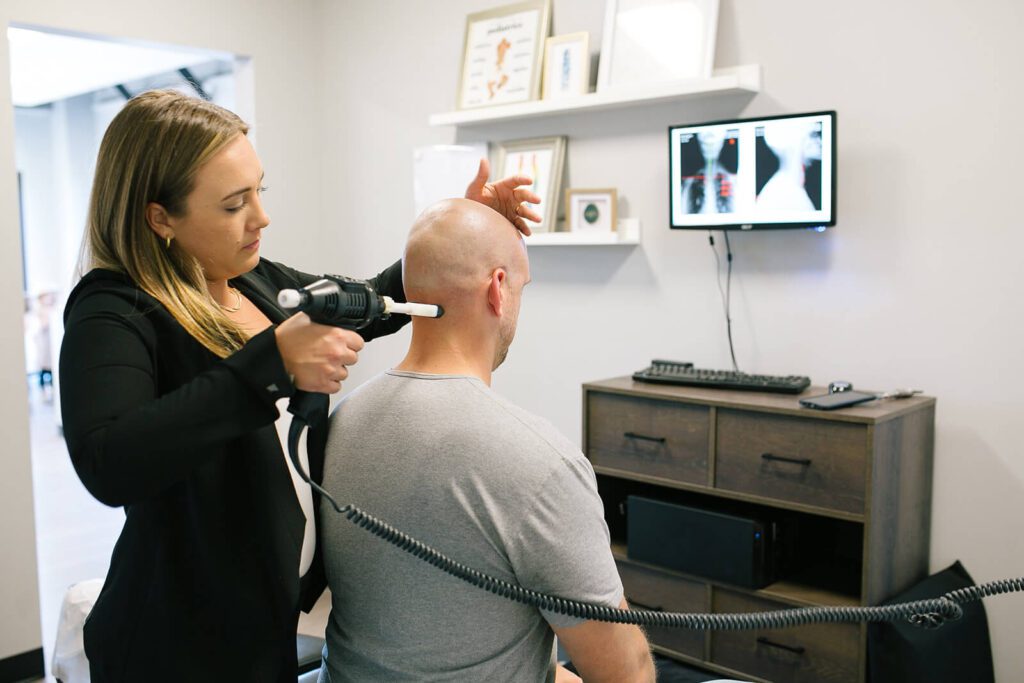
Woman getting neck treatment with massage gun at chiropractor

Chronic pain, defined as pain lasting longer than six months, often requires a different approach. Chronic pain sufferers may need frequent chiropractic visits initially, with multiple sessions often required for initial relief. Patients with chronic conditions typically need regular maintenance care and a long-term treatment approach that may span multiple years.

As pain improves, visit frequency generally decreases. Many patients find relief after a week or two of regular care, with visits eventually decreasing to every two weeks. This long-term approach effectively manages chronic pain and improves overall quality of life, allowing patients to live a more pain free existence.

Minor Issues

Minor pain issues usually require a less intensive approach. Individuals with minor pain may need one or two initial treatments, followed by weekly visits. For example, those with sprains or muscle spasms might only need to visit the chiropractor once or twice during the first week or two, and then weekly thereafter.

A few visits often significantly improve minor pain cases, helping patients return to normal activities quickly and relieve pain through soft tissue therapy. This approach is ideal for addressing minor issues before they develop into more significant problems.

Maintenance and Preventive Care

Maintenance care forms a cornerstone of chiropractic treatment. Regular chiropractic adjustment helps preserve optimal body function and prevent injuries. Typically, patients are recommended to visit the chiropractor bi-weekly or monthly for ongoing maintenance care. This preventive care approach helps in maintaining proper alignment, improving joint mobility, and supporting overall health.

Regular chiropractic visits offer benefits beyond pain relief. Regular chiropractic care can improve recovery times for athletes, enhance digestive health, boost immune function, improve sleep quality, and even lower blood pressure. These benefits make regular chiropractic visits a vital part of a holistic health regimen.

Following up with your chiropractor on a consistent basis allows for the management of chronic conditions and ensures that any new issues are addressed promptly. This ongoing care approach helps in maintaining a high quality of life and preventing future health problems.

Special Considerations

Certain groups of people have unique chiropractic needs that require special considerations. Athletes, pregnant women, and children are among those who may benefit from specialized chiropractic care. Each individual’s chiropractic needs will differ based on pain level, overall health status, and personal lifestyle.

Let’s explore how chiropractic care is tailored to meet the needs of these special groups.

Athletes

Athletes, regardless of their level, can greatly benefit from regular chiropractic adjustments. Top athletes rely on chiropractic care to maintain peak performance. Chiropractic treatments enhance athletic performance by increasing joint mobility and reducing pain, allowing better movement.

Athletes seek chiropractic care for pain relief, performance enhancement, and injury prevention. Consistent chiropractic care helps in maintaining the body’s musculoskeletal structure, which is key for peak athletic performance.

Pregnant Women

Before:

Pregnant women find chiropractic care highly beneficial. It can alleviate lower back pain and shorten labor duration. Specialized prenatal chiropractic care at Impact Chiropractic uses techniques specific to the prenatal body. This care helps expecting mothers experience fewer complications and reduced back pain, and it can lower the chance of developing postpartum depression.

After:

Pregnant women find chiropractic care highly beneficial, as it can:

  • Alleviate lower back pain
  • Shorten labor duration
  • Help expecting mothers experience fewer complications
  • Reduce back pain
  • Lower the chance of developing postpartum depression

Specialized prenatal chiropractic care at Impact Chiropractic uses techniques specific to the prenatal body.

Adjustments during pregnancy address the unique needs of the prenatal body, providing significant relief and promoting overall health.

Children

Children benefit from chiropractic care for various health conditions. Pediatric chiropractors receive specialized training from the International Chiropractic Pediatric Association to provide gentle techniques tailored to children’s needs. Chiropractic adjustments can address numerous conditions in children, including ADHD, asthma, breastfeeding difficulties, colic, constipation, ear infections, headaches, sleep problems, and respiratory problems.

Regular care can improve a child’s immune system, potentially reducing instances of colds, ear infections, and general illnesses. This approach helps in promoting overall health and well-being in children.

Benefits of Regular Chiropractic Visits

Guy getting neck adjusted at chiropractor

The benefits of regular chiropractic visits are extensive and well-documented. Chiropractic treatments are effective for ailments such as chronic low back pain, contributing to overall long-term health improvements. Comprehensive adjustments can improve organ function, blood flow, and joint flexibility.

Regular chiropractic sessions significantly enhance quality of life by reducing pain and discomfort. Patient testimonials often highlight how chiropractic care has enabled them to lead more active and fulfilling lives. For instance, Josh and Lauren L.’s husband no longer complains of back pain and can now exercise, hike, play sports, bike ride, and stand at work without pain, significantly improving his quality of life.

Regular chiropractic care is linked to improved sleep, reduced headaches, and overall well-being. These benefits highlight the importance of including chiropractic visits in your regular health routine.

What to Expect During Follow-Up Visits

Follow-up visits assess treatment outcomes and adjust your care plan as needed. These visits typically last 15 to 30 minutes but can extend if further evaluation or adjustments are needed. During these visits, chiropractors will perform chiropractic adjustments, which involve controlled thrusts to alleviate joint symptoms.

Patients should use follow-up visits to discuss any changes in their condition, review diagnostic test results, and receive recommendations for lifestyle changes or physical therapy rehabilitation exercises.

Regular follow-up appointments ensure treatment effectiveness and continued progress toward health goals.

Can You Go to the Chiropractor Too Much?

Though regular chiropractic care is beneficial, overdoing it is possible. Excessive spinal manipulation can lead to a condition known as over-manipulation syndrome, which may result in chronic discomfort and muscle spasms. This condition occurs when unnecessary adjustments are made to the body.

Chiropractors recommend following their advice to avoid unnecessary adjustments and ensure beneficial visits. Monitoring your body’s response to adjustments and consulting with your chiropractor if you experience negative reactions can help prevent over-visiting. If needed, you can always get a chiropractic adjustment.

If you have any concerns about the frequency of your chiropractic visits, it’s always best to speak with a healthcare professional.

Summary

The frequency of chiropractic visits is highly individualized, depending on factors such as pain severity, overall health, and specific needs. Regular chiropractic care offers benefits, from pain relief to improved overall health. Whether you’re an athlete, a pregnant woman, or a parent seeking care for your child, chiropractic adjustments can make a significant difference in your quality of life. By understanding your chiropractic needs and following a tailored treatment plan, you can achieve optimal health and wellness.

Frequently Asked Questions

How often should I see a chiropractor for acute pain?

If you’re dealing with acute pain, it’s often suggested to see a chiropractor up to three times a week at the beginning to help manage your discomfort and regain mobility. Just remember, this can vary based on your specific needs!

What can I expect during my first chiropractic visit?

You can expect a comprehensive physical exam and a review of your medical history during your first chiropractic visit, along with a personalized treatment plan designed just for you.

Are regular chiropractic visits beneficial for athletes?

Absolutely, regular chiropractic visits can boost athletic performance by enhancing joint mobility and minimizing pain, which leads to improved movement overall. It’s a great way to keep your body in top shape!

How can chiropractic care benefit pregnant women?

Chiropractic care can really help pregnant women by easing lower back pain, shortening labor time, and potentially lowering the risk of postpartum depression. It’s a great way to support your well-being during this special time!

Can children benefit from chiropractic care?

Absolutely, children can benefit from chiropractic care for issues like ADD/ADHD, asthma, and sleep problems. It’s worth considering if your child is experiencing any of these conditions.

Filed Under: TOP TIPS Tagged With: chiropractic adjustment, chiropractic care for athletes, fort collins chiropractor, popular posts, prenatal chiropractic care, what to expect at the chiropractor

Can Kids Go to a Chiropractor?

August 19, 2024 by Dr. Elise Rigney

Is it okay for kids to visit the chiropractor’s office? This question is common among parents concerned about their child’s health and well-being. Chiropractic care is often associated with adults, particularly for managing back pain and other musculoskeletal issues. However, many parents are now considering chiropractic care for their kids. This article provides clear, factual information on whether chiropractic care is suitable for children and lists some points to consider before making a decision.

Key Takeaways

  • Common Concerns: Your worries might be among several common concerns parents have about taking their kids to see a pediatric chiropractor.
  • Benefits of Pediatric Chiropractic Care: Chiropractic adjustments for children offer numerous benefits, including better development and improvement to your child’s general health.
  • When to Consider Care: Pediatric chiropractic care should be considered as part of a comprehensive health care plan that focuses on your child’s safety.

Understanding Pediatric Chiropractic Care

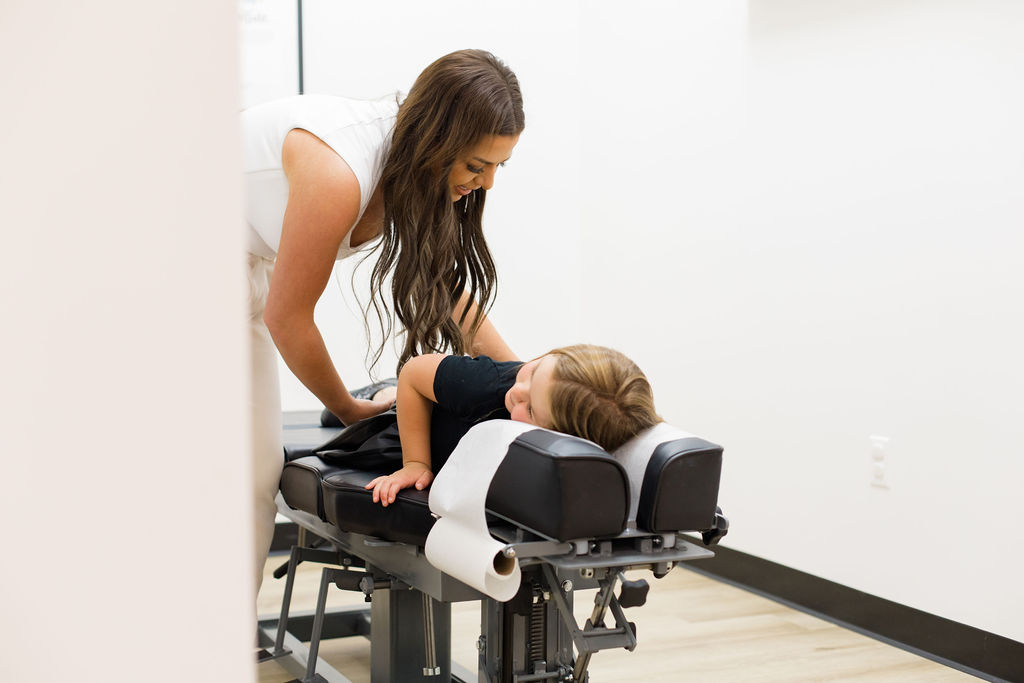
kid getting chiropractic treatment

Chiropractic care involves diagnosing and treating musculoskeletal system issues, particularly those related to the spine. When it comes to children, the approach is adapted to their developing bodies. Pediatric chiropractic care focuses on promoting regular development, addressing specific childhood issues, and supporting the overall well-being of young patients.

A skilled chiropractor who has completed specialized training in pediatric chiropractic care can perform chiropractic adjustments that are suitable for children. These adjustments are typically very gentle, involving minor movements to correct spinal misalignments. The goal is to support the healthy development of the child’s spine and nervous system.

Common Concerns About Chiropractic Care for Children

You are not alone in wondering if chiropractic care is good for your child. Many parents have similar concerns. But you can rest assured that it is safe and even beneficial for kids. Pediatric chiropractic care can help lots of kids with certain issues, even sleep patterns. A good chiropractor will address any risks associated with the treatment and will take your child’s needs into account when developing a treatment plan.

Is Chiropractic Care Safe for My Kids?

Like you, lots of parents worry about the safety of chiropractic care for children. This concern is understandable, given the delicate nature of a child’s body, especially their spine and nervous system. Most chiropractors are trained to treat children and understand the unique needs of young patients. The techniques used in pediatric chiropractic care differ from those used for adults, focusing on gentle manipulations.

At Impact Chiropractic, we have chiropractors who specialize in pediatric care. They have been trained in the best techniques and are required to stay up to date on the latest innovations and methods for treating young people.

What Issues Can Pediatric Chiropractors Treat?

a child with back issues getting chiropractic treatment

Pediatric chiropractors can address various childhood issues, including poor posture, uneven shoulders, digestive issues, and irregular sleep patterns. It may not seem intuitive that spinal issues, for instance, could affect something like digestion or sleep. However, spinal misalignments can contribute to digestive problems or urinary incontinence in children. Chiropractic adjustments aim to correct these issues by improving spinal alignment, which can relieve constipation and promote better sleep.

It’s a good idea to consult with a pediatric chiropractor who can walk you through your child’s health concerns and determine whether or not chiropractic care should be included in their treatment.

What Are the Specific Risks Involved?

Parents might also wonder if there are specific risks associated with chiropractic care for children. While adverse reactions are rare, it is important to consult with a pediatric chiropractor who understands the particular diagnosed condition of your child.

Before starting any treatment sessions, a thorough evaluation is essential to determine the most appropriate treatment plan. Collaboration with your child’s medical doctor or physical therapist can help ensure that chiropractic care complements other treatments.

Benefits of Chiropractic Care for Children

Chiropractic care for children offers several benefits. Chiropractic adjustments also support general health by enhancing nervous system function, which can positively affect other body systems and behavior. And, of course, chiropractic care can address specific health concerns, such as neck pain or digestive issues, to provide much needed pain relief.

Promotes Regular Development

Chiropractic care for children is designed to promote regular development by addressing spinal misalignments that can affect the child’s growth. With proper spinal alignment, chiropractic treatment supports the healthy development of the musculoskeletal and nervous systems.

Improves General Health

Chiropractic adjustments can have positive effects on a child’s overall health. It can enhance the function of the nervous system, which controls various bodily functions. This can lead to improvements in immune system function, digestive health, and even behavioral issues. Many chiropractors believe that regular chiropractic care can support a healthy lifestyle and prevent common childhood issues.

Addresses Specific Health Concerns

Chiropractors treat children with various health concerns, such as continual or recurring neck pain, poor posture, and behavioral issues. Chiropractic therapy can also help manage conditions like spinal misalignments that contribute to irregular sleep patterns or digestive problems. For some children, chiropractic care can relieve discomfort associated with a particular diagnosed condition.

What to Expect During a Chiropractic Visit

Before starting any chiropractic treatment, a skilled chiropractor will conduct a thorough evaluation of your child’s health. This may include reviewing your child’s medical history, discussing any specific health concerns, and performing a physical examination. The chiropractor may also collaborate with other health care professionals, such as your child’s medical doctor or physical therapist.

During treatment sessions, the chiropractor will perform gentle adjustments tailored to your child’s needs. These minor adjustments are typically pain-free and focus on correcting spinal misalignments that could affect your child’s general health. The chiropractor will explain each step of the process to help you understand how chiropractic care can benefit your child.

The chiropractor will also develop a treatment plan based on your child’s specific needs. The plan usually includes regular visits to monitor progress and make necessary adjustments. The goal is to support your child’s overall health and well-being so that they grow and develop properly.

When Should You Consider Chiropractic Care for Your Child?

kids and mother at a chiropractor's office

You should consider chiropractic care for your child if you observe signs of spinal misalignment. Chiropractic care can also be integrated into a comprehensive health care plan that aligns with other medical treatments. Some parents opt for regular chiropractic visits as a preventive measure as well.

At the First Sign of Health Issues

Early signs of spinal misalignment, such as uneven shoulders or persistent neck pain, can sometimes be subtle but should not be overlooked. These symptoms might seem minor but could be the first indication of underlying issues with your child’s musculoskeletal system.

A chiropractor can assess these early signs and provide appropriate adjustments that may prevent more significant health problems from developing, helping to ensure that your child remains active and pain-free.

As Part of a Comprehensive Health Care Plan

Incorporating chiropractic care into your child’s health care routine can provide a holistic approach to their well-being. While regular check-ups with a medical doctor are essential, chiropractic care offers additional benefits by specifically focusing on the alignment of the spine and the functioning of the nervous system.

Complementary care like this can be particularly beneficial for children with specific health concerns, as it works alongside other treatments to enhance the overall effectiveness of your child’s health care plan.

For Regular Development and Preventive Care

Even in the absence of noticeable symptoms, regular chiropractic visits can play a significant role in your child’s preventive health care. By routinely checking and maintaining spinal alignment, chiropractors can help support your child’s growth and development, reducing the risk of future musculoskeletal issues.

This proactive approach not only aids in preventing potential health problems but also promotes a balanced and healthy lifestyle from a young age, laying the foundation for long-term well-being.

Conclusion

Can kids see a chiropractor? Yes, they can, and they often should. Pediatric chiropractic care offers a safe and effective way to support your child’s development, address specific health concerns, and promote general health.

If you’re considering chiropractic care for a particular diagnosed condition or as part of a preventive health care plan, work with a skilled chiropractor who understands the unique needs of young patients. By doing so, you can help your child achieve optimal health and well-being. Contact Impact Chiropractic to start working on a health plan for your child.

Filed Under: PEDIATRIC CHIROPRACTOR Tagged With: chiropractic care for kids, fort collins chiropractor, pediatric care, pediatric chiropractic care, pediatric fort collins, what to expect at the chiropractor

Is the Webster Technique Painful?

July 24, 2024 by Dr. Elise Rigney

The Webster Technique is a popular chiropractic method designed to help pregnant women, especially those with breech babies. Developed by Dr. Larry Webster, this technique balances the pelvis and reduces stress on the mother’s musculoskeletal system. Many pregnant women and expectant moms seek chiropractic care to relieve hip pain, address sciatic nerve discomfort, and receive proper pelvic alignment.

However, a common question arises: Is the Webster Technique ever painful? This article will address this question by explaining what the Webster Technique is and how it is performed, and what you can expect during chiropractic care.

Key Takeaways

  • What It Is: The Webster Technique is a chiropractic adjustment that focuses on reducing discomfort and promoting proper alignment in pregnant women.
  • Is It Painful?: Most pregnant women do not find the Webster Technique painful, instead, it often provides relief.
  • Benefits of Chiropractic Care: Chiropractic care during pregnancy, including the Webster Technique, is generally considered safe and beneficial for both the mother and baby.

What is the Webster Technique?

chiropractor with patient thats pregnant

The Webster Technique is a specific chiropractic adjustment aimed at improving the function of the sacroiliac joints and the surrounding muscles and soft tissues. It is often used to address issues related to the sacral misalignment and intrauterine constraint, which can contribute to breech presentation and other complications during pregnancy.

By focusing on the sacrotuberous ligament and the sacrum, the Webster Technique helps to create a better position for the baby, potentially facilitating a safer and easier labor and delivery.

How is the Webster Technique Performed?

During the Webster Technique, a Webster-certified chiropractor will analyze the spine and pelvis to identify any misalignments or areas of tension. The procedure involves manual adjustments to the sacroiliac joints and the surrounding soft tissues, using gentle and precise manipulative and physiological therapeutics. A chiropractic table designed for pregnant patients, known as a drop table, may be used to enhance comfort and effectiveness during the treatment.

Is the Webster Technique Painful?

Now, let’s answer the question. Is it painful? It’s possible in your situation that it could be, but most pregnant women do not find the Webster Technique painful. On the contrary, many report experiencing pain relief and even improved comfort following the adjustments.

The gentle nature of the technique and the use of specialized chiropractic tables ensure that the treatment is safe and comfortable for both the mother and the baby. Communicate with your chiropractor during the first few visits to address any discomfort and adjust the treatment as needed.

Chiropractic Care During Pregnancy

pregnancy chiropractor using the webster technique

Chiropractic care during pregnancy, including the Webster Technique, offers benefits. By addressing sacral misalignment and improving pelvic balance, the technique helps to alleviate common pregnancy-related issues such as hip pain, sciatic nerve discomfort, and pubic bone pain. Proper alignment can improve blood flow and nerve function as well, supporting a healthy pregnancy.

Pain Relief

The Webster Technique is particularly effective in providing pain relief for pregnant women experiencing discomfort in the lower back, hips, and pelvis. It targets the sacroiliac joints and surrounding soft tissues, which helps reduce tension and promote better function of the musculoskeletal system.

Improved Positioning for Breech Babies

One of the primary goals of the Webster Technique is to facilitate a better position for breech babies. By reducing intrauterine constraint and optimizing pelvic alignment, the technique can help the baby to move into a head-down position, potentially avoiding the need for an external cephalic version or other interventions.

Safety of the Webster Technique

The Webster Technique is considered safe for most pregnant women. It is performed by chiropractors who are certified in the Webster method and have received specialized training to work with pregnant patients. The technique is non-invasive and focuses on gentle adjustments to improve pelvic balance and reduce discomfort. Expectant moms begin care with a thorough evaluation to ensure that the treatment is appropriate for their specific health conditions and pregnancy needs.

What to Expect During Chiropractic Care

prenatal chiropractor in

During the first few visits, your chiropractor will conduct a comprehensive assessment of your spine and pelvis. This evaluation helps identify any misalignments or areas of tension that may benefit from chiropractic adjustments. The chiropractor will then develop a personalized treatment plan based on your specific needs and pregnancy stage.

Manual Adjustments

The Webster Technique involves manual adjustments to the sacroiliac joints and surrounding soft tissues. These adjustments are performed with gentle pressure and precise movements to ensure comfort and effectiveness. The chiropractor may use a drop table or other specialized equipment to enhance the treatment experience.

Ongoing Care

Chiropractic care is often continued throughout the entire pregnancy to maintain proper alignment and address any discomfort that may arise. Regular adjustments can help to ensure that the musculoskeletal system functions optimally, supporting a healthy and comfortable pregnancy.

Conclusion

The Webster Technique is a safe and effective chiropractic treatment designed to improve pelvic balance and reduce discomfort in pregnant women. If you are experiencing discomfort or have concerns about your baby’s position, consider consulting a chiropractor at Impact Chiropractic to learn more about the benefits of the Webster Technique.

Filed Under: PRENATAL CHIROPRACTOR Tagged With: chiropractic adjustment, prenatal chiropractic care, prenatal chiropractors fort collins, webster certified chiropractor, Webster Certified Chiropractor in Fort Collins, webster tech, what to expect at the chiropractor

What Age Should a Child See a Chiropractor?

July 16, 2024 by Dr. Elise Rigney

Chiropractic care is often associated with adults seeking relief from back pain, neck pain, or other musculoskeletal issues. However, chiropractic care can also benefit children. Many parents are curious about the appropriate age for a child to see a chiropractor and what conditions might warrant such care. This article provides clear, factual information about pediatric chiropractic care so you can make informed decisions about your child’s health.

Key Takeaways

  • Pediatric Care from Infancy: Pediatric chiropractic care can start from infancy and offers various health benefits.
  • Benefits of Pediatric Chiropractic Care: Just as chiropractic care benefits adults, children can also gain relief with chiropractic therapy from a trained pediatric chiropractor who specializes in treating young patients.
  • Issues Chiropractic Care Addresses: Chiropractic adjustments can address common childhood issues such as irregular sleep patterns and digestive issues.

Pediatric Chiropractic Care

chiropractic care for kids

Pediatric chiropractic care involves the diagnosis and treatment of musculoskeletal issues in children from infancy to adolescence. This form of care focuses on the spine and its relationship to the nervous system. Chiropractors use gentle adjustments to help correct spinal misalignments, which can contribute to various health problems. But a pediatric chiropractor specializes in treating children.

What Age Should a Child See a Chiropractor?

There is no specific age at which a child should see a chiropractor. Chiropractic care can begin in infancy. It all boils down to whether or not your child needs help, regardless of their age. Some parents bring their babies to a chiropractor shortly after birth to address potential spinal misalignments caused during delivery. Others may wait until their child exhibits symptoms or health concerns that might benefit from chiropractic treatment.

Benefits of Chiropractic Care for Children

Adults aren’t the only ones who need to see a chiropractor every once in a while. A pediatric chiropractor specializes in treating spinal issues in young patients and administering chiropractic care for children. They can treat children using chiropractic techniques that are suitable for young bodies. If your child needs a spinal adjustment, has uneven shoulders, experiences pain in their spinal joints, or any number of related issues, they can benefit from the specialized care of pediatric chiropractors.

Chiropractic Care for Infants

chiropractic care for infants

Infants can benefit from chiropractic care, especially if they experience issues such as colic, breastfeeding difficulties, or irregular sleep patterns. Gentle chiropractic adjustments can help alleviate these problems by improving spinal alignment and improving nervous system function.

Chiropractic Care for Young Children

As children grow, they may develop poor posture or experience injuries from falls or strenuous activities such as sports. Chiropractic adjustments can help correct these issues, promoting better posture and preventing future problems. Additionally, chiropractic care can address childhood issues like ear infections, digestive problems, and respiratory conditions such as asthma.

Chiropractic Care for Adolescents

Adolescents can benefit from chiropractic care in various ways as well. As their bodies grow and change, they may experience spinal misalignments that lead to pain symptoms or discomfort. Regular chiropractic visits can help maintain proper spinal alignment, improve general health, and enhance athletic performance.

Common Conditions Treated by Pediatric Chiropractors

There are actually quite a few conditions that can be managed or alleviated through chiropractic treatment sessions. A pediatric chiropractor is a pro at treating children with these kinds of issues.

Spinal Misalignment

Many children develop poor posture or spinal misalignment due to prolonged sitting, heavy backpacks, or sedentary lifestyles. Chiropractic adjustments can help correct poor posture and address spinal misalignments, promoting better spinal health and preventing chronic problems later in life.

Digestive Issues

Chiropractic care can help alleviate digestive issues in children by improving nervous system function. Proper spinal alignment can improve the body’s ability to process food and nutrients, reducing symptoms of constipation, reflux, and other digestive problems.

Ear Infections and Respiratory Conditions

Chiropractic adjustments can also help reduce the frequency and severity of ear infections and respiratory conditions such as asthma. By improving spinal alignment, chiropractic care can actually boost the body’s ability to fight infections and reduce inflammation.

Sports Injuries and Chronic Pain

Children who participate in sports or physical activities often experience injuries or chronic pain. Chiropractic care can provide effective treatment for sports injuries, reducing pain symptoms and promoting faster recovery. Regular chiropractic visits can also help prevent future injuries by maintaining proper spinal alignment and promoting overall health.

What to Expect During a Pediatric Chiropractic Visit

chirpractic care for children

Once you’ve decided to take your child to see a chiropractor, it’s helpful to know what to expect. You want to come prepared with questions so you receive all the information you need. Here’s what you can expect from Impact Chiropractic:

Initial Consultation: During the first visit, the chiropractor will conduct a thorough physical examination of your child. This may include assessing posture, spinal alignment, and range of motion. The chiropractor may also ask about your child’s health history and any specific symptoms or concerns.

Chiropractic Adjustments: Chiropractic adjustments for children are gentle and non-invasive. The chiropractor will use specific techniques tailored to your child’s age and condition. These adjustments are typically painless and aim to correct spinal misalignments, improve nervous system function, and improve your child’s overall well-being.

Frequency of Visits: The frequency of chiropractic visits will depend on your child’s specific condition and response to treatment. Some children may benefit from regular visits, while others may only need occasional adjustments. The chiropractor will provide a personalized treatment plan based on your child’s needs.

Consulting Your Child’s Pediatrician

Before starting chiropractic care, it is important to consult your child’s pediatrician. Your pediatrician can provide valuable insights into your child’s health and help determine if chiropractic care is appropriate. Additionally, the pediatrician can work collaboratively with the chiropractor to make sure your child receives comprehensive care that addresses all aspects of their health.

Conclusion

Chiropractic care can offer benefits for children of all ages. From infancy through adolescence, chiropractic adjustments can help address common childhood issues such as poor posture, digestive problems, ear infections, and injuries related to physical activity. Always consult your child’s pediatrician before starting chiropractic treatment to ensure it aligns with your child’s health needs.

Understanding the potential benefits and knowing what to expect can help you make informed decisions about incorporating chiropractic care into your child’s health routine. Whether it’s for addressing specific health concerns or promoting general well-being, chiropractic care can be a valuable addition to your child’s healthcare regimen. For more information about pediatric chiropractic care, visit Impact Chiropractic.

Filed Under: PEDIATRIC CHIROPRACTOR Tagged With: chiropractic care for kids, chiropractor for kids, first chiropractic adjustment, fort collins chiropractor, kids and chiropractors, pediatric fort collins, popular posts, what to expect at the chiropractor

Can a Chiropractor Help with Scoliosis?

June 12, 2024 by Dr. Elise Rigney

If you’re dealing with scoliosis, you might wonder, “can a chiropractor help with scoliosis?” Directly speaking, a chiropractor can’t cure scoliosis, but they can provide treatments aimed at managing discomfort, preventing progression, and improving spinal alignment.

This article goes into how chiropractors assess and treat scoliosis, the nature of chiropractic interventions for different severities of this spinal condition, and what you can expect from incorporating chiropractic care into your scoliosis management plan.

Key Takeaways

  • Chiropractic care for scoliosis centers on managing symptoms and preventing progression, rather than curing the condition, through adjustments and therapies tailored to spinal alignment and patient well-being.
  • Scoliosis creates abnormal spinal curvature and rotational deformity, leading to potential complications like breathing difficulties, which chiropractic care aims to manage by improving posture and alignment.
  • A comprehensive approach to scoliosis treatment by chiropractors includes assessment of postural imbalances, X-ray analysis of spine curves, and a personalized treatment plan considering the patient’s unique medical history.

The Role of Chiropractic Care in Scoliosis Management

chiropractor in fort collins with patient

You may be considering whether a chiropractor could help ease the discomfort of scoliosis. It’s a question that many scoliosis patients think about, especially when faced with the discomfort and posture issues associated with the condition.

Chiropractic treatment sets itself apart from other medical interventions as it doesn’t claim to cure scoliosis but rather focuses on symptom management and preventing progression.

For those with mild to moderate scoliosis, chiropractic care focuses on:

  • Restoring proper alignment, which can correct functional spinal curves caused by muscle imbalances or poor posture
  • Improving posture
  • Reducing the likelihood of scoliosis worsening over time

While chiropractic interventions might not straighten the spine curves entirely, they can still play a critical role in managing scoliosis. Regular chiropractic care can help maintain spinal alignment, reduce discomfort, and support the spine in a way that may slow the progression of spinal curvatures.

The Nature of Scoliosis and Spinal Curvatures

scoliosis pictures next to each other

Scoliosis fundamentally is a condition causing the typically straight spine to assume an abnormal curvature, which can resemble an ‘S’ or ‘C’ shape when viewed from the back. This deviation from the norm can lead to issues, some of which extend far beyond just looks. Severe cases of scoliosis can bring about breathing difficulties and a reduced lung capacity due to the spinal twist pressing against the chest area.

Scoliosis is not solely about the spine’s curvature, it can also result in a rotational deformity due to the condition’s twists and turns. This twist can result in visible asymmetry in the ribs and muscles, a tell-tale sign of the condition’s presence.

This is why maintaining good posture and spinal alignment is so key in the management of scoliosis and other conditions like muscular dystrophy.

How Chiropractors Assess Scoliosis

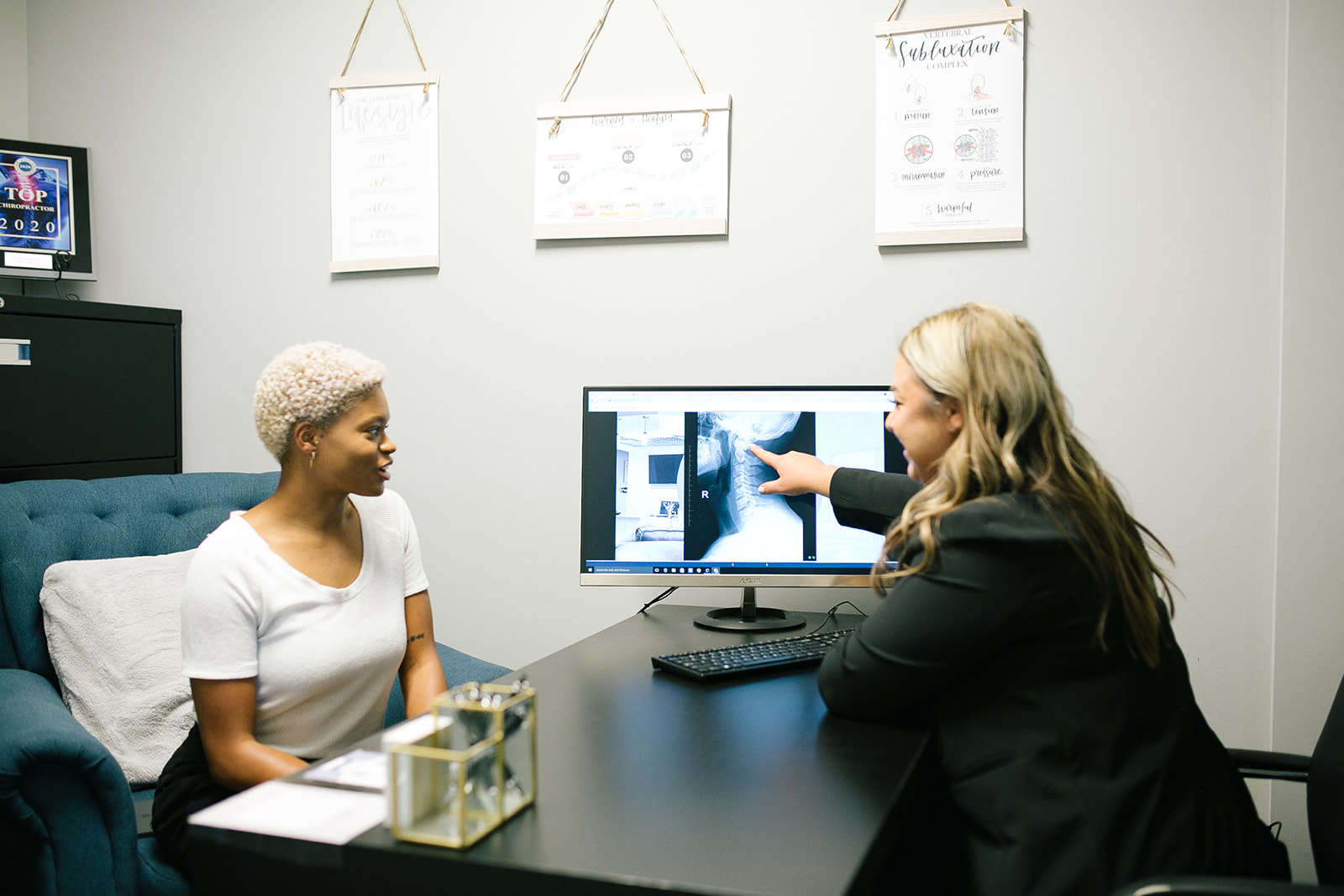
a patient getting a xray for their back

To devise an effective course toward improved spinal health for scoliosis patients, a chiropractor must first familiarize themselves with the patient’s specific condition. The assessment process is comprehensive, involving a look at postural imbalances, an analytical review of spine curves through X-rays, and a dive into the patient’s medical and family history. Each of these steps is key in developing a personalized treatment plan that acknowledges the unique challenges posed by each individual’s scoliosis.

Examining Postural Imbalances

Upon visiting a chiropractic office, the chiropractor’s initial examination will often center on the symmetry of your shoulders, waistline, and hips. These postural imbalances are commonly observed signs of scoliosis, indicating a misalignment in the spine. For those unfamiliar with the condition, it might come as a surprise that something as subtle as uneven shoulder height can be linked to a curved spine.

Identifying these imbalances is only the first step, the next is correcting them. Chiropractors utilize a variety of techniques, including spinal adjustments and physical therapy, to treat scoliosis by addressing these imbalances. By focusing on restoring proper alignment to the lumbar spine and cervical lordosis, they can significantly improve one’s posture and alleviate the common symptoms associated with scoliosis. Many people wonder, “Can a chiropractor fix scoliosis?” While chiropractic care may not completely cure the condition, it can certainly help in managing and reducing its effects.

Analyzing Spine Curves

a chiropractor analyzing a spinal curve

X-rays often play a part in the careful analysis of spinal curves. These images provide chiropractors with a clear view of the spinal alignment and structure, revealing the extent of the curvature and any potential abnormalities in the spinal joints and discs.

One measure used in this analysis is the Cobb angle, a quantitative marker for the degree of spinal curvature in scoliosis. This angle helps determine the severity of the condition and informs the chiropractic intervention strategy.

Additionally, chiropractors look for signs of rotational deformities, such as a rib hump, which can indicate progression in scoliosis and necessitate a specific approach to spinal manipulation.

Understanding Patient History

understanding scoliosis with a patient

An in-depth understanding of a patient’s medical history is essential to effective scoliosis management, beyond the physical examination. This history includes any familial patterns of scoliosis, as genetics play a significant role in the risk of developing the condition. A thorough evaluation of past health issues and current symptoms ensures that the chiropractic treatment plan is as targeted and effective as possible.

This personalized approach is a cornerstone of chiropractic care. By considering the patient’s whole story, chiropractors can tailor their interventions to meet the specific needs of each individual. This might involve adjustments to the treatment frequency or the incorporation of complementary therapies, all aimed at enhancing the quality of life for those living with scoliosis.

Chiropractic Interventions for Scoliosis

Fort Collins chiropractor with patient

Chiropractic interventions for scoliosis vary widely, reflecting the diversity of the individuals who seek them. Some common interventions include:

  • Manual therapy techniques
  • Specialized adjustments
  • Spinal alignment exercises
  • Postural correction techniques

These interventions aim to align misaligned joints, improve spinal alignment, and ultimately, alleviate the pain and discomfort associated with scoliosis.

Manual Therapy Techniques

Manual therapy, which encompasses a variety of techniques from massage to chiropractic adjustments, is a hands-on method for treating scoliosis. These interventions are designed to improve joint mobility, providing pain relief and improved posture for scoliosis patients. Manual therapy, also known as manipulative and rehabilitative therapy, can support psychological well-being, offering relief from the stress and anxiety that may accompany chronic conditions like scoliosis.

During these sessions, patients may hear popping or cracking sounds, which are natural and expected responses as pressure is released from the joints. Far from being cause for concern, these sounds can be indicative of the restoration of proper alignment within the spinal curvatures.

Specialized Scoliosis Adjustments

Scoliosis-specific adjustments represent the fine-tuning within the broader realm of chiropractic spinal care. These targeted, gentle techniques are performed with a precision that addresses the unique curvature of a scoliosis patient’s spine. Coupled with muscle relaxation and neuromuscular retraining, these adjustments can lead to significant improvements in spinal alignment and postural balance.

It’s important to seek a chiropractor with the expertise and experience in scoliosis care, ensuring the efficacy of these specialized adjustments. While traditional chiropractic treatments focus on realigning muscles, bones, and joints, scoliosis requires a nuanced approach that goes beyond joint mobility to address the complex spinal curvature.

Impact Chiropractic’s Approach to Scoliosis

Impact Chiropractic offers a fresh perspective on scoliosis treatment, emphasizing a personalized, community-centric approach that extends beyond just managing symptoms. Here, patients find a haven where whole person care is the guiding philosophy, aligning with the center’s mission to improve patients’ overall quality of life.

The specialized techniques utilized by the chiropractors at Impact Chiropractic specifically address the complexities of scoliosis, setting it apart from other spinal conditions. The success of this approach is greatly influenced by the patient’s commitment, as they engage with a treatment plan that is tailored to their unique needs and life circumstances.

Pediatric and Adolescent Scoliosis

The approach to pediatric and adolescent scoliosis at Impact Chiropractic includes:

  • Proactive treatment focused on halting the progression of the condition through spinal adjustments and manual therapies
  • Correcting the curvature of the spine
  • Ensuring that young patients maintain their growth and development without the constraints of scoliosis

Chiropractic care for young scoliosis patients has been shown to provide pain relief, improve posture, and increase range of motion. These improvements are important during the growing years, as they may prevent further progression of the spinal curvature.

Chiropractic Care for Adult Scoliosis

Adults with scoliosis face unique challenges, but chiropractic care offers them relief, focusing on pain reduction and increasing overall well-being. Even for those with conditions such as osteoporosis, chiropractic adjustments have been proven safe.

From alleviating chronic pain to improving mobility and quality of life, these treatments provide a holistic solution that supports patients in managing their condition effectively.

When to Seek Chiropractic Care for Scoliosis

Life with scoliosis can present various indicators that signal the need for chiropractic care. Some of these indicators include:

  • Chronic back pain
  • Persistent muscle spasms
  • Visible postural asymmetry such as uneven shoulders or hips
  • Breathing difficulties arising from reduced chest space

If you are experiencing any of these symptoms, it might be time to consult a local chiropractor for professional intervention to manage these symptoms and improve spinal alignment.

Chiropractic interventions aim to ease the discomfort associated with scoliosis by reducing pressure on the nervous system and fostering core strength. If you find yourself battling with these symptoms, it’s advisable to seek chiropractic treatment, which can offer relief and a path toward managing scoliosis more effectively.

Your First Visit to a Chiropractor for Scoliosis

For scoliosis patients, the first visit to a chiropractic office could mark a transformative moment in their journey. During this initial visit, you’ll discuss the nature of your pain and its triggers. This consultation is the first step in developing a customized care plan that addresses your specific condition and symptoms.

Following the consultation, a thorough physical examination takes place, which is needed to confirm the presence of scoliosis and understand its impact on your life. You’ll be introduced to the science behind chiropractic care, and together with your chiropractor, you’ll start crafting a personalized plan to manage your scoliosis.

Summary

From the initial assessment to the tailored treatment plans, chiropractic care offers hope for those dealing with scoliosis. If you or a loved one is dealing with scoliosis, remember that a path to improved posture, alleviated pain, and improved quality of life may just be a chiropractic visit away.

Filed Under: HEALTH & WELLNESS Tagged With: chiropractic adjustment, chiropractor in fort collins, first chiropractic adjustment, fort collins chiropractor, scoliosis, what to expect at the chiropractor

  • « Go to Previous Page
  • Page 1
  • Page 2
  • Page 3
  • Page 4
  • Page 5
  • Go to Next Page »

Primary Sidebar

Footer


FORT COLLINS, CO

3720 S College Ave
Fort Collins, CO 80525
(970) 223-5501


LOVELAND, CO

1661 Rocky Mountain Ave, Suite 302
Loveland, CO 80538
(970) 966-7105

Impact Chiropractic logo

FORT COLLINS,
CO

3720 S College Ave Fort Collins, CO 80525

(970) 223-5501

Make an Appointment

LOVELAND,
CO

1661 Rocky Mountain Ave, Loveland, CO 80538

(970) 966-7105

Make an Appointment

CHERRY HILLS VILLAGE, CO

5002-B East Hampden Ave Denver, CO 80222

(720) 263-2687

Make an Appointment

GOLDEN,
CO

17211 S Golden Rd Ste 110, Golden, CO 80401

(720) 750-6605

Make an Appointment
  • HOME
  • ABOUT
  • BLOG
  • OUR SERVICES
  • COMMUNITY PERKS PROGRAM
  • PRIVACY POLICY
Accessibility

Impact Chiropractic LLC is a community-driven health center in Colorado, helping all people achieve a better quality of life through whole-person chiropractic care.

© 2026 Impact Chiropractic LLC. All Rights Reserved. All site content is protected by U.S. and international copyright laws. Patient information is kept private and handled in compliance with HIPAA. Unauthorized use, reproduction, or distribution of any content on this site is strictly prohibited.